
"water fermentation"
8000 article(s) found

Analysis of Coffee brewing in Diamond Manor in Costa Rica _ COE8 anaerobic treatment of coffee beans
Professional coffee knowledge exchange more information about coffee beans Please follow the coffee workshop (Wechat official account cafe_style) anaerobic fermentation, as the name implies, is the fermentation reaction carried out in the absence of oxygen. The main microorganisms supporting this fermentation reaction are lactic acid bacteria and yeasts. Lactic acid bacteria is a kind of anaerobic bacteria, which needs to survive in a hypoxic environment. Yeast is a kind of

Introduction to the Natural washing and Solar treatment of White Honey treated with Coffee Bean Red Wine
Honey treatment Today, honey treatment is used in almost all the producing areas of Costa Rica. This method is also widely spread throughout Central America. Because the surface mucosa of coffee beans is extremely sticky and smooth and the sugar content is extremely high, it is often called honey. In the process of honey treatment, coffee will leave some or all of the honey when it is dried. After picking, grading and peeling, the coffee fruit will be placed.

Introduction to the processing method of sun washing and semi-washing of coffee beans
Introduction of coffee treatment 1. The process of natural solarization (Natural/Dried-in-the-Fruit) is the simplest. The fruit begins the process of sun drying without treatment after picking. This is the oldest method of treatment in existence. This method is still used in places such as Ethiopia and Brazil. Natural solarization is most common in areas where water resources are scarce.

Where do African coffee beans come from? what's the taste of Kenyan beans?
Professional coffee knowledge exchange more coffee bean information please follow the coffee workshop (Wechat official account cafe_style) front street-African coffee producing area characteristics of Kenyan coffee production Kenyan coffee is famous for its distinct and complex taste, with a distinct fruit flavor, especially berry flavor. At the same time, most Kenyan coffee has a sweet flavor and pleasant acidity. Kenyan coffee

Sun coffee bean flavor sauce flavor source _ washing sun coffee bean taste difference _ sun coffee bean expensive
Professional coffee knowledge exchange more coffee bean information Please follow the coffee workshop (Wechat official account cafe_style) you may have heard a saying: sun-cured coffee beans are rich in flavor, while washed coffee beans are cleaner and sour. Is that true? There are some clues to the flavor of coffee beans from the way they are handled. Let's do it today.
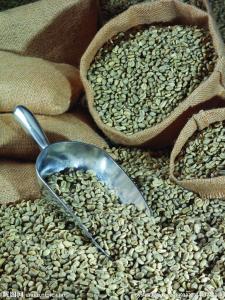
Introduction of beans which are most suitable for honey treatment among coffee bean varieties
We know that the treatment of raw coffee beans can be roughly divided into three types. The distinction between each method is based on the fact that several layers of matter are removed from the fruit before the coffee is dried. The following is a list of the three major processing methods: 1. Natural sun treatment: retain all substances 2. Honey treatment: remove the peel and pulp and retain part or all of the mucous membrane (honey) 3. Water washing: the use of water washing and fermentation

Washed or dry? The relationship between the handling method and the level name
The coffee beans baked by us as ingredients are actually the seeds in the coffee fruit. Coffee farmers give the fruit another name, coffee cherry (Coffee Cherry). If the pulp is separated from the seed, and how to dry the seed into a state that is easy to preserve, the whole process is collectively referred to as treatment. Due to the effect of the treatment process on the quality and flavor of coffee beans
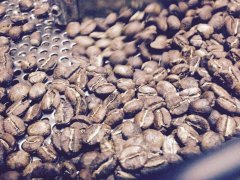
Dry treatment (natural full sun treatment), wet treatment (water washing and fermentation), semi-washing of coffee beans
Dry treatment (secado), also known as natural all-day exposure (natural). After the coffee fruit is actually picked, it is dried directly in the sun. According to the weather conditions, it is generally necessary to dry the coffee beans for 2 weeks to reduce the water content of the coffee beans to 10%, 12%, and then use a machine to remove the dried peel and pulp. The raw bean processing plant (beneficio) usually retains the parchment paper shell (par) on the outside of the coffee bean when the raw bean is stored.

Costa Rican Mila Pearl Manor Rose Summer Coffee Bean hand-brewing parameters sharing _ anaerobic fermentation Solar Rose Summer
Professional coffee knowledge exchange more coffee bean information please follow coffee workshop (Wechat official account cafe_style) Origin: Costa Rica Coffee Manor: Milasu Manor treatment: anaerobic fermentation Sun planting altitude: 1600m Variety: rose Coffee Flavor performance: floral, peach, bergamot, passion fruit anaerobic fermentation sun treatment: anaerobic fermentation sun treatment

Flavor characteristics of coffee beans treated by wine barrel fermentation introduction to the production process of Shirley barrel coffee beans
Guide: when you drink a very strong alcoholic coffee, you will feel how incredible it is. This kind of coffee with obvious alcoholic aroma is fermented through a barrel. So how does it deal with it? The earliest barrel fermentation of coffee was the first to use barrel fermentation to treat coffee.

In what way is coffee bean fermented?
Natural washing is very common in Brazil. The natural washing method is very similar to the water washing method, except that the natural washing method uses a high-pressure washing machine to remove the mucous membrane of the coffee surface, thus skipping the fermentation process. Several raw coffee processing companies in Brazil and Colombia have patented this method and have become local natural water system processing monopolies. this

What is fermentation? Dry fermentation and its flavor wet fermentation and its flavor difference
What is fermentation? In short, fermentation is the process by which sugar and starch break down into acids or alcohol. Yeast and bacteria play an important role in this process. Sasa tells us that this yeast is called Saccharomyces cerevisiae. It is a microorganism and a natural wild yeast found in grapes, cocoa beans and other fruits. It is also present in brewing, cocoa bean processing and

The process of processing and fermentation of Ethiopian coffee by washing
Ethiopian coffee washing is used to process fermented coffee. Coffee is either dried naturally on the patio, or dried by machine, or both. The treatment is to spread the coffee cherries widely on the exposure field for two weeks and sweep them with a rake several times a day so that the coffee beans can be dried more evenly. When dried, the coffee beans will be separated from the skin and dried by a sheller.
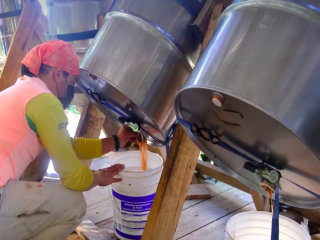
Why is the method of coffee processing becoming more and more complicated?
Recently, a friend of wine and coffee Shuangxiu complained to Qianjie: "there were only a few treatments when I studied coffee in the past, but I didn't pay attention to coffee information for only two years. Why are the current treatments so complicated? I really want to treat one bean at a time." The complication of coffee treatment also indicates that when dealing with coffee

Description of boiling parameters and Flavor of Rosa Coffee Bean treated by pressure anaerobic fermentation in Panamanian Vonugo Manor
Panamanian Nugo Manor pressure anaerobic fermentation Rose Summer Coffee Bean production area: Panama Walken Manor: Nugo Manor altitude: 1700m-1900m Variety: rose Summer treatment: pressure anaerobic fermentation season: the coffee producing area in 2021 mentions the Panamanian coffee tradition, and most of the boutique coffee producing areas that are familiar to the public come from Boquete, but in recent years,

Panama Arida ASD anaerobic fermentation low temperature slow sun roses summer coffee beans should be how to cook?
Professional coffee knowledge exchange more coffee bean information please follow the coffee workshop (Wechat official account cafe_style) A few days ago into a Panamanian Arida Manor rose summer, these days are finally ready to brew ~ | beans introduction | Arida Manor has always been famous for sun treatment, but the place of this bean

Hartmann Red Wine treatment characteristics of Hartmann Red Wine treated Coffee
Professional barista communication please pay attention to the expectations of the coffee workshop (Wechat official account cafe_style) for the taste: acetic acid fermentation: cleaner, lively acid, brighter acid, citric acid lactic acid fermentation: taste more round, less clean than acetic acid fermentation, higher alcohol thickness, malic acid / tartaric acid before this, the treatment plant is passed down from generation to generation of manual operators

Hartmann red wine treatment, taste red wine treatment, coffee type and price
For the exchange of professional baristas, please follow the Hartman made by hand in the coffee workshop (Wechat official account cafe_style). 15g powder, medium grinding (small Fuji ghost tooth cutter 4 grinding), v60 filter cup, 88-89 degrees water temperature, 30g water injection for the first time, steaming for 27 seconds, water injection to 105g water cut off, wait for the water volume of powder bed to be reduced to half and then water injection, slow water injection until 225g water, do not use water at the end.

Wash and sun coffee Wash coffee Normal drinking method Wash coffee beans Characteristics
Professional coffee knowledge exchange More coffee bean information Please pay attention to coffee workshop (Weixin Official Accounts cafe_style) Washing method: The focus is on the fermentation of coffee fruit after peeling, and washing off pectin with water after fermentation. One of the treatments used is to pick the coffee berries, remove the immature fruits and miscellaneous leaves, remove the outer skin of the fruits, pick out the beans, then wash and soak the beans,
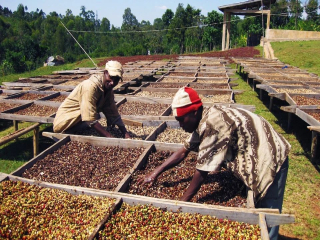
What's the difference between washed coffee and sun-cured coffee? which tastes better?
What's the difference between washed coffee and sun-cured coffee? decaffeinated coffee tastes different due to the pulp removal machine, there is bound to be some residual flesh still attached to the parchment of coffee beans. Coffee beans are then placed in a fermentation tank to decompose the residual pulp and parchment with natural enzymes. Usually the fermentation process is in